In a major step to ease financial pressure on South Africa’s low-income households, the government is introducing a free electricity voucher programme beginning 30 January. This initiative is designed to support families struggling with rising electricity costs, an issue affecting millions across the country. Through these vouchers, qualifying households will receive a basic monthly electricity allowance at no cost, helping them meet essential energy needs without added financial stress. Knowing who qualifies and how to apply is key to benefiting from this important support.
Understanding the Free Electricity Voucher Programme
The free electricity voucher programme is a government-led initiative aimed at assisting low-income households throughout South Africa. Its main objective is to lower the cost of electricity, which often consumes a large portion of household income. This programme is especially important in regions where electricity tariffs have increased sharply. To ensure fair distribution, households must meet specific income limits and submit supporting documents. This approach helps ensure that assistance reaches those who need it most.
Specifically designed for low-income households
 School Calendar Shift Confirmed as January Holidays Begin Earlier Across South Africa in 2026
– Available from 30 January onwards
– Monthly vouchers for basic electricity usage
– Eligibility determined by income thresholds
– Aims to reduce household financial pressure
– Promotes fair and equitable access to support
– Requires documentation for verification
Eligibility Criteria for Electricity Vouchers
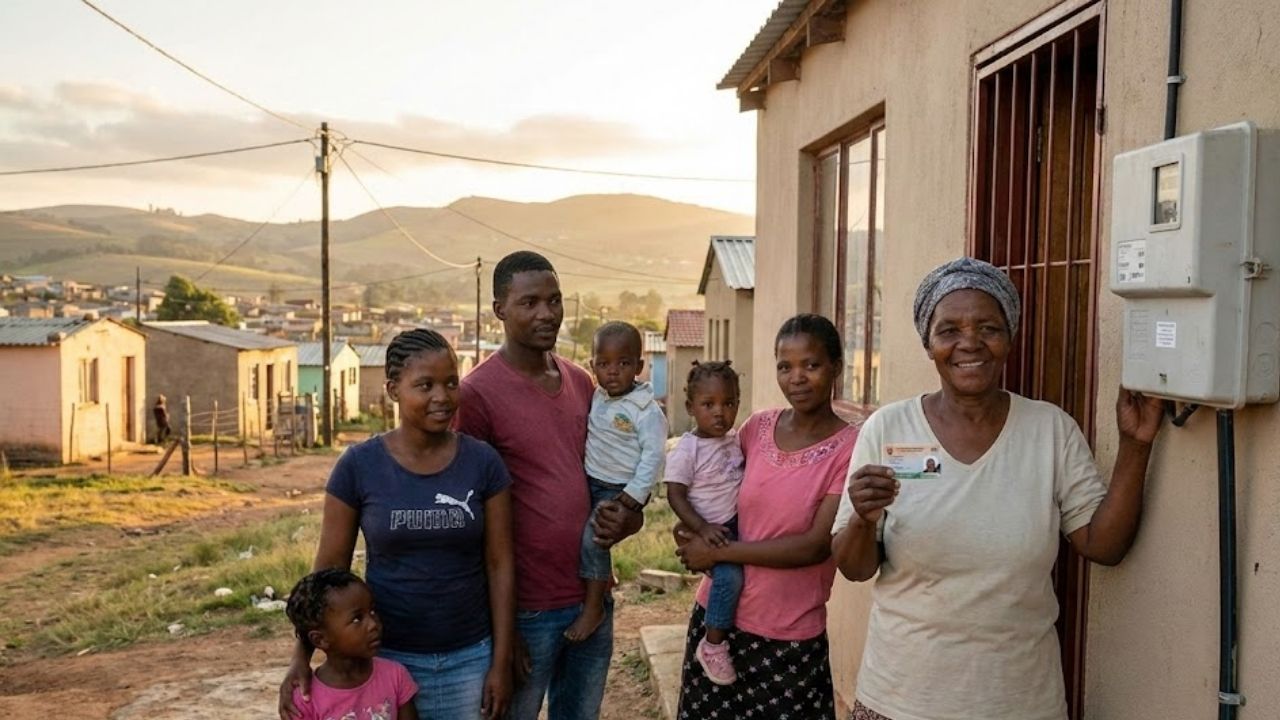
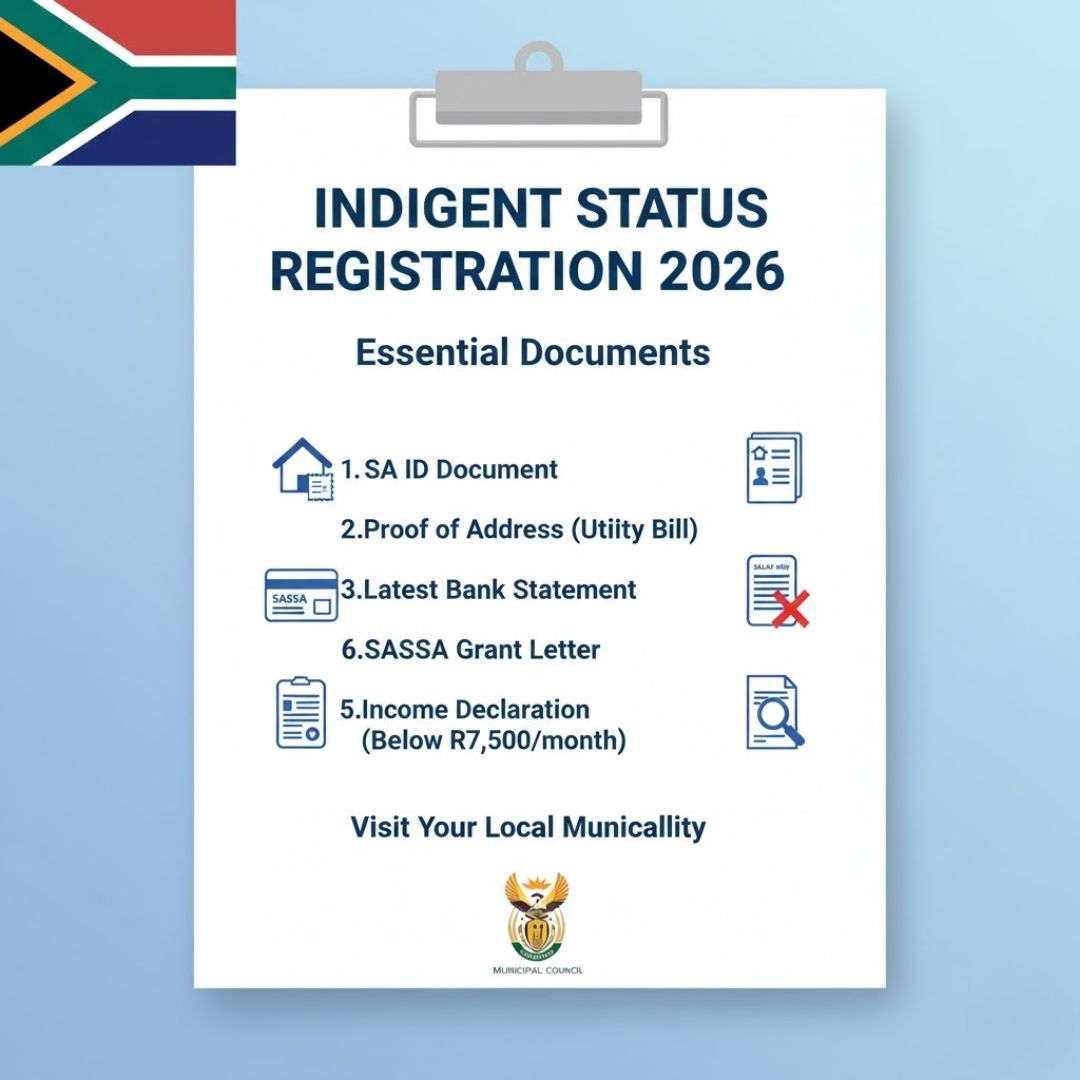
To qualify for free electricity vouchers, households must meet defined eligibility requirements. The programme mainly targets families earning below a certain income level to ensure support is directed to those most in need. Applicants must submit proof of income, such as payslips, affidavits, or social grant receipts. In some cases, households with more dependents may be prioritised to ensure larger families receive sufficient assistance. Meeting these conditions can lead to noticeable savings on monthly electricity expenses.
| Income Level | Documentation Required | Dependents Priority |
|---|---|---|
| Below R3,000 per month | Payslips | High |
| R3,000 – R5,000 per month | Affidavits | Medium |
| R5,000 – R7,500 per month | Grant receipts | Low |
| Above R7,500 per month | Not eligible | None |
How to Apply for Free Electricity Vouchers
The application process for free electricity vouchers is kept simple to ensure accessibility for all eligible households. Applicants must first collect all required documents, including proof of income and identification. Applications can be submitted either at local municipal offices or through official government online platforms. Accurate completion of the application form is essential to prevent processing delays. Once reviewed, applicants will be notified of their status and provided instructions on accessing their vouchers if approved.
Steps to Apply for Electricity Vouchers
– Collect all required documents, including proof of income and ID
– Visit your nearest municipal office or official government website
– Fill in the application form carefully and accurately

– Submit the form along with supporting documents
– Wait for confirmation of your application status
– If approved, follow instructions to receive monthly vouchers
– Renew your application if required by programme rules
Benefits of the Free Electricity Voucher Programme
The free electricity voucher programme provides multiple benefits to qualifying households. Most importantly, it reduces monthly electricity costs, allowing families to redirect limited funds toward essentials like food, healthcare, and education. The programme also encourages responsible energy usage by offering a fixed electricity allowance. Reduced financial stress can improve overall quality of life and provide greater household stability. On a broader level, the initiative supports poverty reduction and contributes to economic stability.
| Benefit | Impact |
|---|---|
| Financial relief | Lowers monthly household expenses |
| Energy conservation | Encourages efficient electricity use |
| Improved quality of life | Reduces financial stress |
| Poverty reduction | Supports economic stability |
| Enhanced security | Provides greater peace of mind |
Challenges and Key Considerations
Despite its benefits, the free electricity voucher programme also faces challenges. Public awareness is critical, as eligible households must understand both the programme and the application process. Distribution logistics can be difficult, particularly in rural or underserved areas. Strong monitoring and verification systems are also necessary to prevent misuse and ensure assistance reaches intended beneficiaries. Addressing these issues will help ensure the programme remains effective and sustainable.
Programme Impact and Future Prospects
– Increased awareness campaigns are essential
– Efficient distribution systems must reach all regions
– Fraud prevention through strict verification is vital
– Long-term sustainability should be prioritised
– Regular programme reviews to assess effectiveness