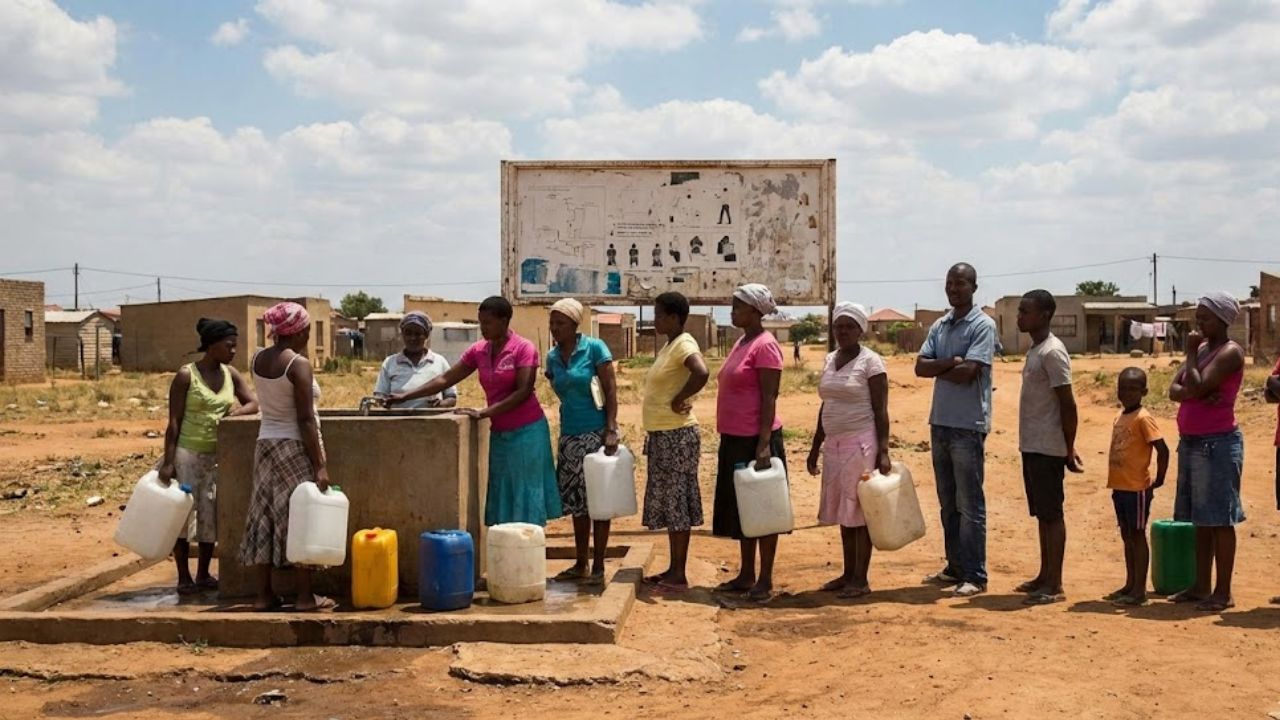
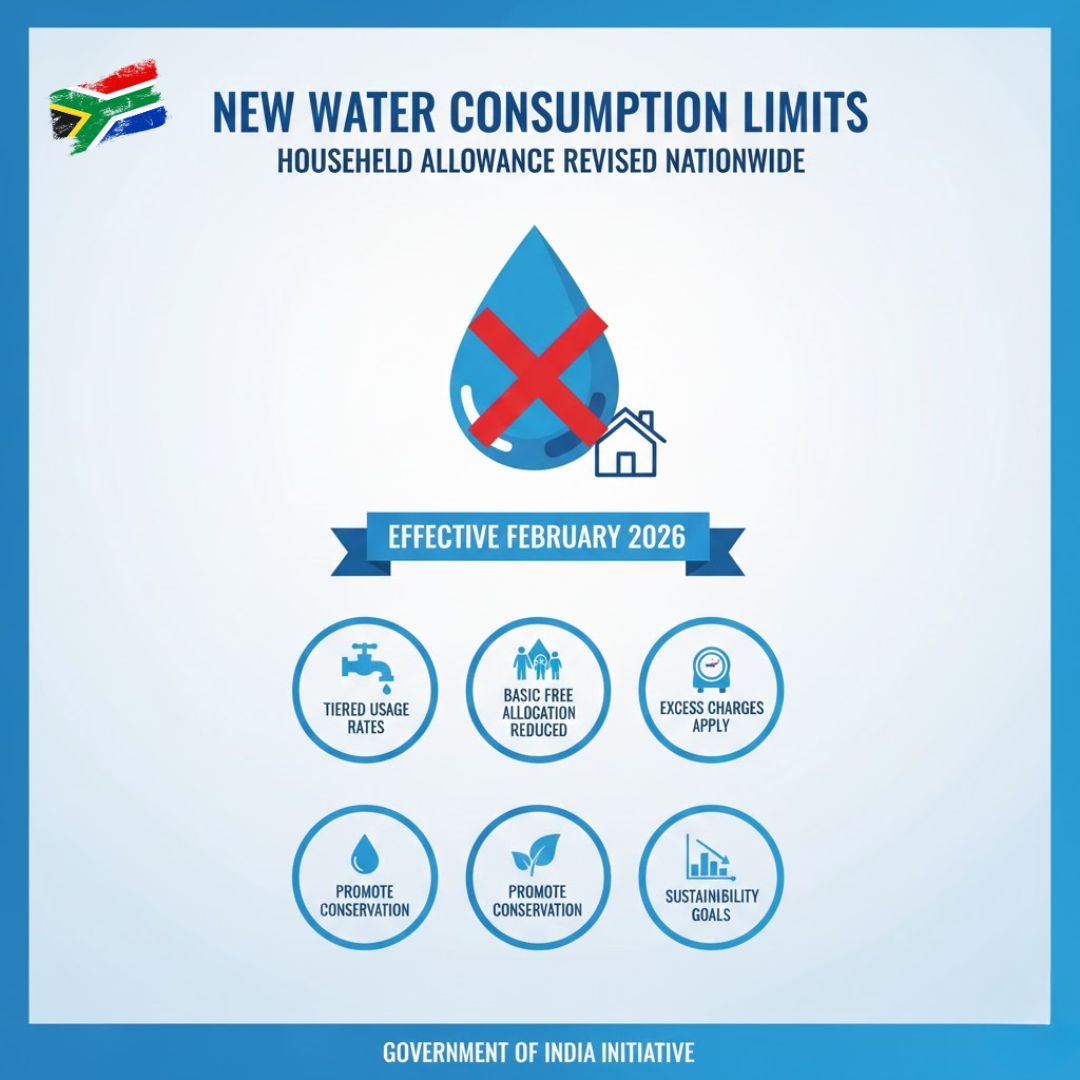
South African households are facing a major shift in utility regulations as the government enforces new water consumption limits starting February 2026. The long-standing free water allowance for households will no longer apply, prompting residents to carefully monitor usage. These changes aim to encourage responsible water consumption and tackle growing concerns about water scarcity nationwide. Citizens will need to adapt to monthly consumption limits and understand how this affects billing and household budgets, making awareness and preparation crucial in the coming months.

Understanding the New Water Consumption Limits
The government has introduced strict household water limits that will define how much water each household can use without additional charges. Households exceeding these monthly consumption caps will face higher rates, emphasizing the importance of efficient water usage practices. Residents are advised to monitor daily water use and adopt water-saving habits such as fixing leaks, using low-flow fixtures, and reusing greywater where possible. This policy aims to create a sustainable national water management system while minimizing the risk of shortages across South Africa.
Impact on Household Budgets and Billing
With the removal of the free water allowance, households will see changes in their monthly bills. Families must now factor in consumption charges for water used beyond the permitted thresholds. Budget-conscious residents should plan for higher utility costs and explore cost-saving strategies such as rainwater collection or limiting garden irrigation. This change affects both urban and rural households, making it essential for everyone to understand how billing structures will be applied and to track water use regularly to avoid unexpected expenses.
 School Calendar Shift Confirmed as January Holidays Begin Earlier Across South Africa in 2026
Steps to Comply with New Water Rules
Compliance with the new water consumption rules requires awareness and proactive measures. Homeowners should regularly check their water meters and maintain household plumbing systems to prevent wastage. Installing efficient appliances and encouraging family members to reduce unnecessary water use are practical steps to stay within limits. Municipalities will provide guidelines and notifications for households exceeding consumption, ensuring residents are informed about penalties and adjustments. Adhering to these regulations not only avoids fines but contributes to national water conservation efforts.
Summary and Analysis
The end of South Africa’s free water allowance marks a significant transition in national resource management. Households must adapt to monthly limits, monitor consumption patterns, and adopt water-saving practices to manage costs effectively. While this policy may challenge families initially, it encourages long-term sustainability and greater awareness of environmental responsibility. By understanding billing impacts and following compliance measures, residents can successfully navigate this change while contributing to conservation goals across the country.
| Household Type | Monthly Water Limit (Liters) | Excess Charge Rate (ZAR/Liter) |
|---|---|---|
| 1–2 People | 6,000 | 0.50 |
| 3–4 People | 10,000 | 0.45 |
| 5+ People | 15,000 | 0.40 |
| Rural Household | 8,000 | 0.35 |
| Urban Household | 10,000 | 0.50 |
Frequently Asked Questions (FAQs)
1. What is the new water limit?
Limits vary by household size, ranging from 6,000 to 15,000 liters per month.

2. Will households be fined for overuse?
Yes, excess usage will incur charges based on ZAR per liter rates.
3. How can families reduce water bills?
Adopt efficient appliances, fix leaks, and monitor daily consumption.
4. When do the new rules start?
The new household water limits take effect from February 2026.